One- off Flood intervention in Anambra state

INTRODUCTION

Nigeria has experienced heavy rains and devastating floods that have caused loss of life, population displacement and extensive destruction of houses, farms, and infrastructure. Since July, over three million people have been affected in 34 states in the worst flooding the country has seen in over a decade. At least 603 people have died and over 2,400 have been injured. According to the National Emergency Management Agency (NEMA), over 1.4 million people have been displaced due to the floods as of 24 October 2022.

In Anambra State, the 2022 flood has been recorded as the most devastating since the state started experiencing floods. The flood affected seven (7) out of the twenty-one (21) local government areas in the state. The main factor for the flood is the overflow of rivers around the state.  More than 120 persons lost their lives while thousands are homeless, while agriculture, livelihood and social amenities have been lost and destroyed. The State government has created 27 IDPs in addition to the settlements created by desperate victims. These formal camps and settlements are densely populated with more women and children exposed to illnesses ranging from infectious and water-borne diseases to sexual exploitation

The 2022 annual flooding in Anambra state has accentuated the vulnerabilities suffered by women and girls. In particular the destruction of educational and health facilities exposes girls to loss of educational opportunities, well-being and dignity. In health they are exposed to communicable diseases, high rates of maternal mortality and even death due unmet reproductive health needs and facilities.

The several interventions by state and non-state actors at all levels are diminished by the high demand and weak capacities to access the relief. It is on record that while seeking access to government and philanthropic relief items, women and girls in formal and informal displaced communities are further exposed to risks of bodily and sexual exploitation. Women and girls in displaced and relocated communities are therefore in desperate need of food, shelter, clean drinking water, toilet and dignity items, psycho social support, legal intervention rehabilitation and relocation. These needs cannot all be met by any single entity, which justifies organizations and individuals selecting to provide according to expressed and affordable needs.

DOWNLOAD FILE HERE:

WRAPA_Malala Flood Victims Support Fund Final Report.docx

WRAPA-UNICEF Connecting Voices Against Child Marriage

Executive Summary

WRAPA in the last seven months has implemented a project Connecting Voices Against Child Marriage in Nigeria, supported by United Nations International Children’s Emergency Fund (UNICEF) in three Local Government Areas (LGAs), namely; Batagarawa, Charanchi and Kankia. Involving; Ajiwa, Dandangoro; Koda, Kuraye; Rimaye and Tafashiya communities respectively in the three LGAs of Katsina State, Nigeria.

The project which aimed at amplifying the associated concerns and practice of child marriage, gender-based violence (GBV), and harmful practices, adopted a multifaceted approach across various communities. Surpassing the intended outcome figures, a total of 1,055,268 comprising 578,565 females and 476,703 males were reached during the six-month project implementation cycle. The figures are also a buildup of physical and online reach three quarters with 184 in quarter one, 872 in quarter two, and 1,054,212 in quarter three as the data in tables 0.1 to 0.3 shows. The intervention empowered thirty-six 36 Youth Champions, and expanded its reach through U-reports, with the additional support of key social media influencers achieving an appreciable presence and following on the subject matter of child marriage. The strategy adopted, also included high-level in-person advocacy, and campaigns, aided by knowledge and community toolkits. This increased community awareness and understanding of the repercussions of child marriage. Most critically, it empowered child marriage survivors who shared their experiences thereby generating legitimacy for the demand to end the practice.

The conclusion of the report underscores the transformative impact of the WRAPA intervention and community change agents emphasising the need for sustained bottom-up advocacy, and sensitization also targeting traditional governance structures, as well. There is also a need for continuous recruitment and training of the youth champions. The annexures to the report offer additional insights, including innovative practices, human interest stories, testimonials, challenges, lessons learned, and a photo book. Human stories from Dandagoro and Tafashiya communities highlight how the project empowered individuals like Buhari A’ddau and Mufida Kabir and fostered community conversations leading to potential shifts and attitudinal changes. The testimonials from these project beneficiaries, including Tenniola Balogun and Salihu Ibrahim, offer firsthand accounts of the profound impact of the project in scaling up awareness and engendering commitment to social and practice changes. Overall, the report presents the project results, opportunities, challenges, and recommendations, underscoring the nuanced and dynamic drivers and barriers to reducing or eliminating child marriage and other harmful practices in Nigeria.


Table 0.1. 

QUARTER ONE DISAGGREGATED DATA
S/NO LGA MEETING METHODOLOGY FEMALE  MALE TOTAL
1 In-Person 59 125 184
Young Adult Young Adult
Local Government Area Disaggregated
2. Batagarawa In-Person 20 22 44
3 Charanchi In-Person 18 34 52
4 Kankia In-Person 19 23 42

LGAs specific participants were 138 while 48 participants were not project-specific communities but distributed across other indirect project beneficiaries being WRAPA field staff, Consultants and experts, goods and service vendors, MDAs from Katsina State and other community structure participants particularly leaders of faith and culture, youth and women’s groups and UNICEF staff.

Table 0.2. 

QUARTER TWO DISAGGREGATED DATA
S/NO LGA MEETING METHODOLOGY FEMALE  MALE TOTAL
1 In-Person/Virtual 387 485 872
Young Adult Young Adult
2 230 157 182 303 872
Local Government Area Disaggregated
3 Batagarawa In-Person/Virtual 72 26 83 115 296
4 Charanchi In-Person/Virtual 56 8 41 18 123
5 Kankia In-Person/Virtual 102 26 58 88 274
TOTAL 693

LGAs-specific participants were 693 while 179 participants were not project-specific communities but distributed, online, WRAPA staff, Consultants and experts, MDAs from Katsina States and other community structure participants, particularly leaders of faith and culture, youth and women’s groups and UNICEF staff.

Table 0.3. 

QUARTER THREE DISAGGREGATED DATA 

S/NO LGA MEETING METHODOLOGY FEMALE  MALE TOTAL
1 In-Person/Virtual 578,119 476,093 1,054,212
Young Adult Young Adult
2
Local Government Area Disaggregated Data
3 Batagarawa In-Person 6 6 12
4 Charanchi In-Person 5 6 11
5 Kankia In-Person 6 6 12
Other engagement Online 58 58 116
TOTAL

Table 0. 3.1 

ONLINE  (Social Media) DISAGGREGATED DATA

GENDER FACEBOOK INSTAGRAM X (Tweeter) TOTAL
Female 469966 102117 5951 578,034
Male 389204 57474 29332 476,010
TOTAL 859170 159591 35283 1,054,044

  • Introduction: 

Nigeria faces the third-highest global burden of child brides, trailing behind India and Bangladesh, with nearly 22 million girls married or in union before turning 18. This alarming prevalence contributes significantly to socio-economic challenges in northern Nigeria, manifesting in school dropouts, adolescent pregnancies, high maternal mortality, and malnutrition. Although there has been a 14%-point decrease in child marriage prevalence over the past five years, the recent MICS 2021 reveals a persistent concern. Katsina State, in Northwest Nigeria, stands out with a high prevalence, emphasising the urgency of addressing the legal gap in the state’s Child Protection Law, which currently lacks a prescribed legal age for marriage. Despite Nigeria’s commitment to ending child marriage by 2030, challenges persist, necessitating a closer examination of legal frameworks and cultural sensitivities surrounding this complex issue.

It is against this background that WRAPA supported by UNICEF has over seven months (June to December 2023), implemented a project titled Connecting Voices Against Child Marriage in Nigeria, supported by UNICEF in three Local Government Areas (LGAs), namely; Batagarawa, Charanchi and Kankia and covering; Ajiwa, Dandangoro; Koda, Kuraye;  Rimaye and Tafashiya communities in the three LGAs of Katsina State, Nigeria.

The project’s main objective was to amplify and address the pressing issues of the impact of child marriage, gender-based violence (GBV), and harmful practices. This was conducted through a comprehensive, multi-sectoral approach that included deliberate recruitment and training of thirty-six (36), eighteen (18) female and eighteen (18) male Youth Champions in advocacy, social media sensitization, and reporting. The project empowered community stakeholders, engaged key influencers, and improved awareness that has fostered positive shifts and changes in attitudes and behaviours related to these issues. Additionally, WRAPA End to Child Marriage activities have strengthened linkages between existing partners and established new community institutional mechanisms, especially among youth groups, scaling up numbers and scope of collaborative actions and voices against child marriage, GBV, violence against women and children (VAWC), as well as harmful practices in the targeted project communities.

DOWNLOAD FILE HERE:

Final WRAPA-UNICEF CONNECTING VOICES AGAINST CHILD MARRIAGE PROJECT 2023.docx

Breaking the Intergenerational Barriers for Conversations to End Child Marriage in Communities

Mufida a 23-year-old advocate in Tafashiya community in Kankia Local Government Area, Katsina state is breaking the intergenerational barrier by fearlessly speaking to parents and community duty bearers on the subject of child marriage. This is against the tide of deeply rooted practices justifying and sustaining child marriage in her community.

Mufida started a quiet revolution at the age of 16 when her best friend Aisha of the same age bracket was married off to a man in his late forties. Mufida was moved to act when Aisha fell victim of vesico vaginal fistula (VVF) during childbirth a year after her marriage. Aisha is still under medication for the physical injuries, while also nursing psychological trauma from domestic abuse from her husband. The plight of Aisha is the motivation for Mufida’s commitment and participation as an E2CM Champion. She believes joining the WRAPA-UNICEF advocacy provides her the opportunity to take the campaign to scale to place pressure on parents and duty bearers for practice shifts away from child marriage. In addition has enrolled to study health education to equip with knowlede and skills to speak parents and duty bearers on the ills of child marriage as well enable her to provide support for survivors.

“I was overjoyed when I learned about the End to Child Marriage Champions (E2CMC) program and promptly submitted my application. The term ‘End Child Marriage’ resonated with me because my community is predominantly engaged in hawking as a means of livelihood. In such an environment, many girls either face early marriages or are compelled to engage in hawking. I am determined to alter this narrative,” expressed Mufida.

Mufida, using her bitter-sweet experience is currently leading the E2CMC in Tafashiya community to sensitize and secure the buy-in of leaders of culture and faith. She currently can access the Mai Unguwa (district head), Mai Gari (community lead) and the chief Imam at any time to stop, intervene and caution parents on the issue of Child marriage and child hawking.

Mufida said “I wish this program had come earlier on to help my best friend Aisha, but Alhamdulillah I and the team have been able to stop 3 families from marrying off their girl child with the support of the Mai Unguwa and we are just starting.”

Mufida is looking to organize community dialogues, inviting both the young and the elderly to share their perspectives on child marriage. These sessions will become a melting pot of stories, where the elders will speak of tradition and the youths share their dreams for a different future.

Realizing the importance of education, Mufida and her fellow advocates have sought the support of WRAPA to partner with local schools to implement intergenerational workshops. These workshops will become a space for open conversations, where young students can express their aspirations, and elders can learn about the long-term consequences of child marriage on the community’s well-being.

In the end, the project might not only succeed in breaking the intergenerational barrier but also lay the foundation for a collaborative effort to end child marriage. The blend of tradition and modernity will become a powerful force, proving that positive change can be achieved when different generations join hands with a shared vision.

To further amplify their message, Mufida and her team will leverage the power of storytelling. They, in a recent activity organised by WRAPA with support from UNICEF Nigeria, carried out a series of short playlets featuring the testimonials of survivors, each narrative weaving a shade of the challenges faced by those affected by child marriage. These playlets are gradually becoming a powerful tool to evoke empathy and understanding across generations.

In Katsina state, the echoes of this journey are ushering in a new era where the strength of unity triumphs over the chains of tradition. Mufida’s initiative will not only spark dialogue but ignite a flame of transformation that transcends generations.

Connecting Voices at Scale through Technology for Social Change

In Dandogoro community, Batagarawa Local Government, 26-year-old Buhari A’ddau, a community secondary school teacher, becomes a beacon of hope for survivors of child marriage and girls in the school and community at large.

Buhari who lost his favourite cousin and other girls to child marriage joined the WRAPA-UNICEF End to Child Marriage Champions (E2CMC). This enabled him to sharpen his skills and expand his networks and sustain his original child marriage campaign, for which he relied on door-to-door community sensitisation. This had limitations as he could reach very few people and essential stakeholders.

Now he utilizes the gains from the WRAPA-UNICEF project trainings and technology to become a first-line respondent for survivors using social media to amplify his voice and connect with like minds calling for an end to child marriage.

Armed with smartphones and a shared vision, Buhari and his colleagues formed a digital alliance through WRAPA training on how to use social media platforms for social change. Through social media platforms and thorough dedication, they began crafting a narrative that spoke against the age-old practice of child marriage. Each post, tweet, and video was a digital plea for change, resonating with the urgency of a generation unwilling to accept the status quo.

As the digital campaign gained momentum, the voices of these youths reached far beyond the confines of their community and Elders who were once hesitant to challenge tradition found themselves engaged in conversations sparked by the digital campaign. Slowly but surely, attitudes began to shift.

These led to Buhari receiving calls and messages within and outside his communities for assistance from girls who were married or were about to be married off for intervention.

Reflecting on his experiences, Buhari said, “At first I was overwhelmed with calls that began to come in but with the help of the WRAPA team, I have adjusted and I am proud to be able to give moral and psychosocial support to Girls and intervene in situations that lead to such an act.”

Buhari added that he was able to channel his advocacy to help a mother of two children who is not only a victim of child marriage but suffered abuse from her husband to get free and start a new life away from her abuser. He said, “I could feel her pain and I am glad she is out of that monster cave and the community leaders are negotiating on how she can start a skill that can provide for her and the kids”.

Buhari also, narrated that he currently has 10 girls who are survivors of child marriage but dealing with a lot of Psychological trauma and that is one of the major challenges he has as a first line responder, dealing with victim’s trauma and the culture of silence, Hencd he applauds the program and requests that more psychological support and economic empowerment be awarded to the victims of Child marriage to enable them to speak up, and recover to be resilient.

Expressing gratitude, Buhari commended WRAPA and UNICEF for the enlightening training and guidance, proudly identifying himself as a dedicated member of E2CMC. He pledged to continue supporting women and girls, safeguarding them from harmful cultural practices.

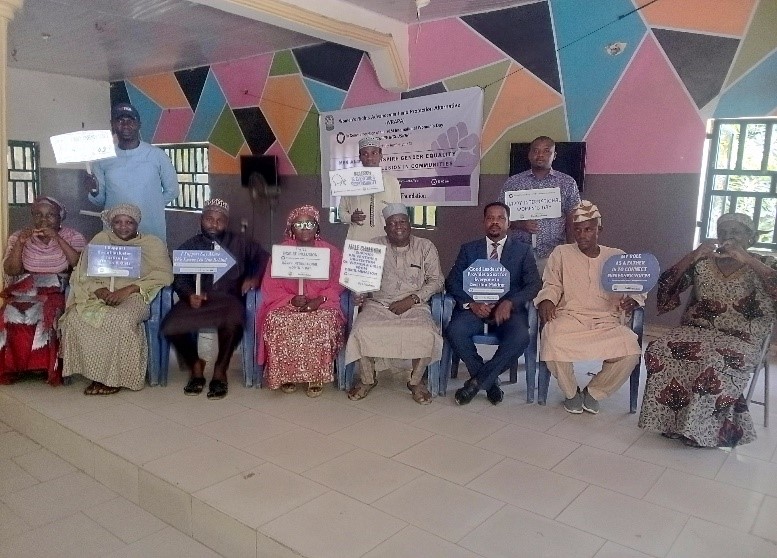
Men and Boys Inspire Gender Equality and Social Inclusion in Communities

Don’t we all agree that an inclusive society is where everyone cares and appreciates each other?

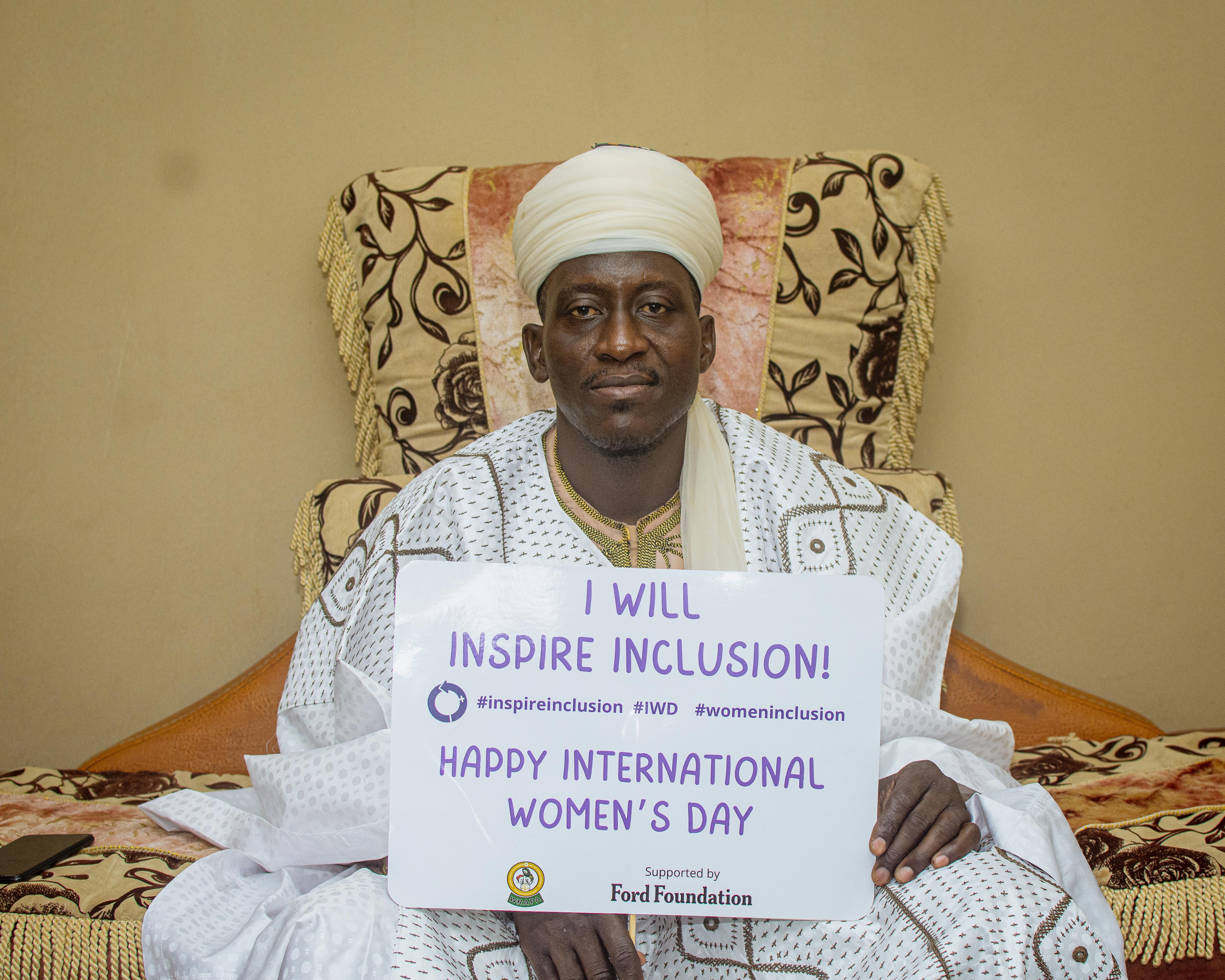
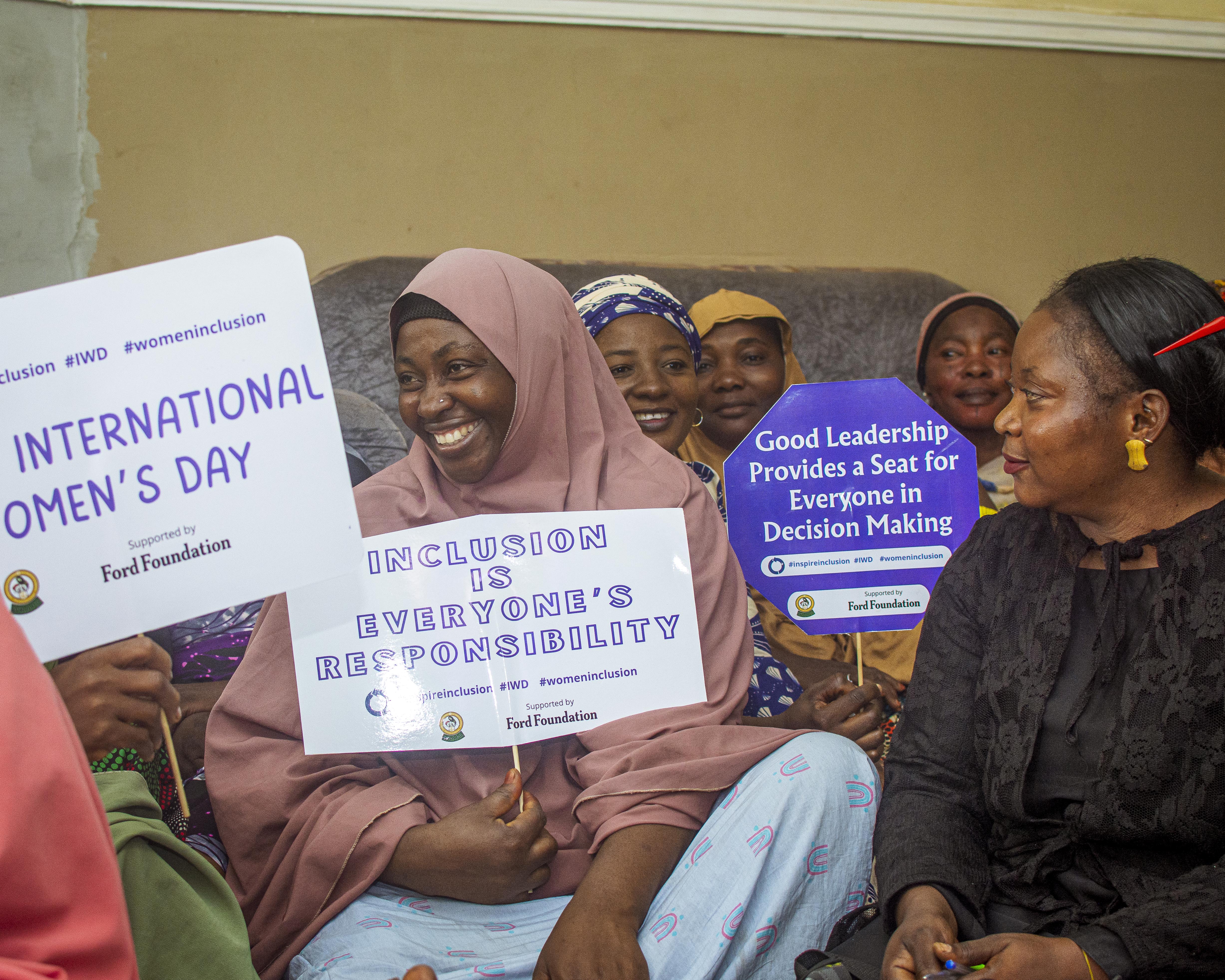
Mounting on the 2024 International Women’s Day IWD theme “Inspire Inclusion.” WRAPA as a household addressing Violence Against Women and Girls at different levels engaged with men and boys to be inclusive in building preventive measures to end all forms of VAWG in their communities.

In addressing VAWG over the years, WRAPA has identified Inclusion as a critical component of empowerment that facilitates benefits and assigns responsibility to those involved. The format and essence of inclusion award a belonging and engender a stake for all in the context of inclusion.

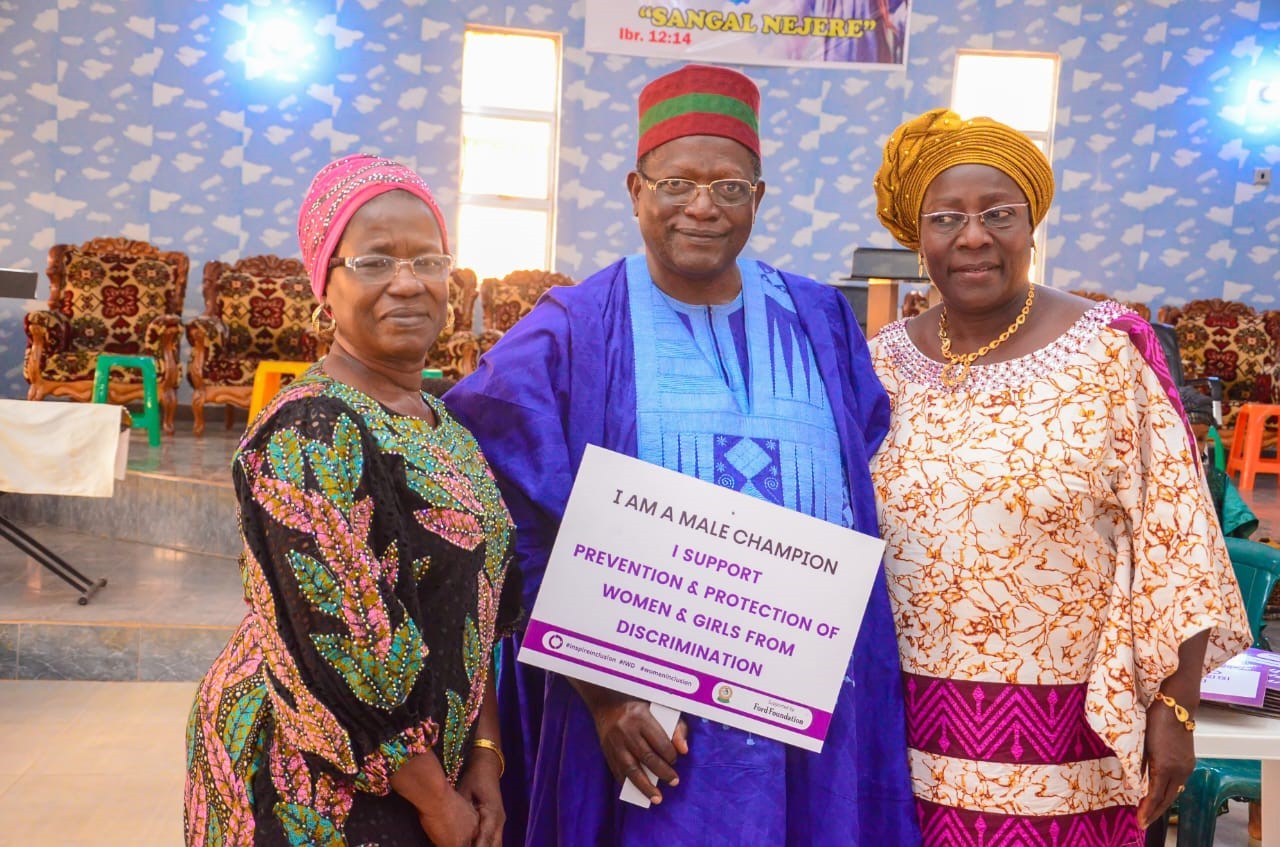
WRAPA as a household working with key actors with the support of the Ford Foundation leveraged its existing structures and strategies (Women of Resilience and Male champions) and engaged with Men and Boys at individual, family, societal and institutional levels in Adamawa, Enugu, Jigawa, Plateau, Katsina and the FCT to work together to remove factors that enable or justify women’s inequality in the decisions that affect them in public and private spaces.

The engaged town-hall meetings yielded men’s understanding of their roles and accountable structures that reinforce positive masculinity at all ecological levels, Strengthened GBV Referral Systems, Enhanced collaboration with grassroots organizations ensured quicker support for survivors, Increased Community Commitment, Greater participation in awareness activities and local initiatives showed a strong commitment to ending GBV.

The engagement in Jigawa led to the Reinforcement of the role of faith and cultural leaders in promoting equality with the creation of an additional safe space at the palace of the Magajin Gari of Himmayayi Community with continuous engagement with Women of Resilience to serve as referral and support pathways towards response and referrals.

The encouraging participation from the men and boys in Plateau State yielded the establishment of 4 Traditional Safe Spaces by the leadership of Berom at Vwang, Kuru Heipang and Zawan Districts. This was followed by Commitment from the districts heads to have more women in council in all palaces that don’t have them and also ensure they raise their positions above just ceremonial appearances. To wrap it up 22 Male Champions and 14 Women of Resilience WoR members were inaugurated to continue the advocacy effort towards a VAWG-free society.

Enugu adoption of the Women of Resilience and Male Champions strategy Inaugurated 26 Male Champions and 34 Women of Resilience to promote gender equality in their communities with safe spaces created at Nkanu East, Igboeze North, Udi, Nsukka, Aninri, Udenu to serves as response pathways and to continue to advocate for women’s inclusion in their community.

Adamawa also followed the footprint by inaugurating 26 male champions and 16 Women of Resilience to facilitate the newly established safe space by Lakare Women Group, Waru Jabbe Community Palace, Community Vigilante and Christian Association of Nigeria Adamawa. The different stakeholder made their commitment to enhance the inclusion of women and girls in initiatives focused on gender equality within the community, particularly emphasizing their participation in educational settings and social gatherings.

In FCT and Katsina, the existing structures of the Women of Resilience and Male Champions were further strengthened on the utilization of their roles to work with leaders of faith and culture with commitment from the community stakeholder to support inclusion and continue to strengthen accountability and response structures to promote prevention of VAWG in Dandagoro and Karmajiji communities.

In closing, the campaign in the 6 states made significant progress in mobilizing communities and fostering commitment to combating GBV. Addressing contextual and resource challenges is essential for lasting impact.

WRAPA Policy Advisory X-Grant COVID-19 Impact on Women

Nigeria is currently working to contain the spread of the Coronavirus as well as implementing its responses to the impact of total and partial lockdown across the country. On 29 March 2020, President Muhammadu Buhari ordered the cessation of movement for residents of FCT, Lagos and Ogun State. The President acknowledged that the restrictions will impose hardship.

From experience, it is our opinion that in these circumstances it will be more difficult for women to seek help or escape from abusive relationships particularly where they live with the abusive partner during the lockdown. Equally worrisome is that children are also open to more violence and will need protection during this period.

[wpdm_package id=’9406′]

Subscribe to our
Newsletter

Contact

The organisation seeks to advance and protect the rights of women as provided by national laws and policies, regional and international treaties

No 34 Ekikunam Street Beside NUJ Secretariat, Utako-Abuja, Nigeria

About Us

Media

Get Involved

CALL: +234-818-869-9961

Contact

automaty bez registrace