

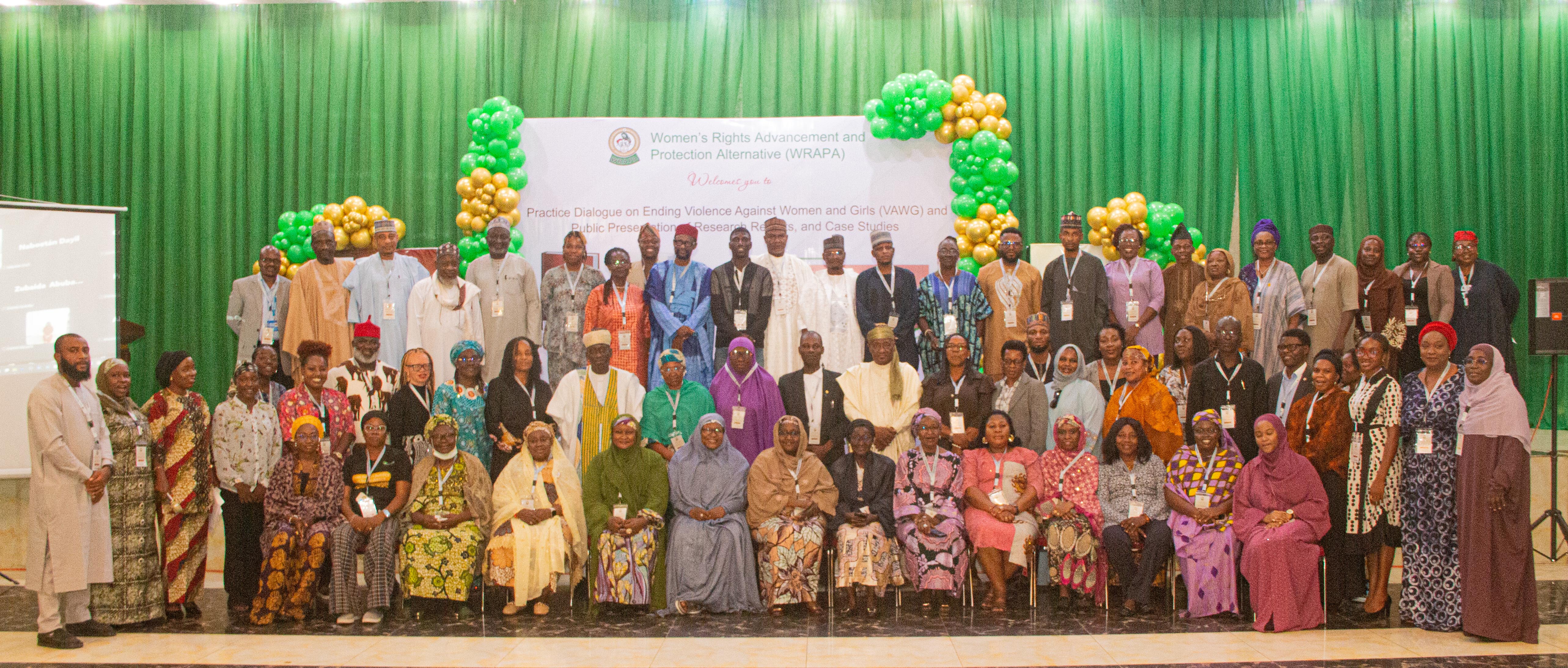
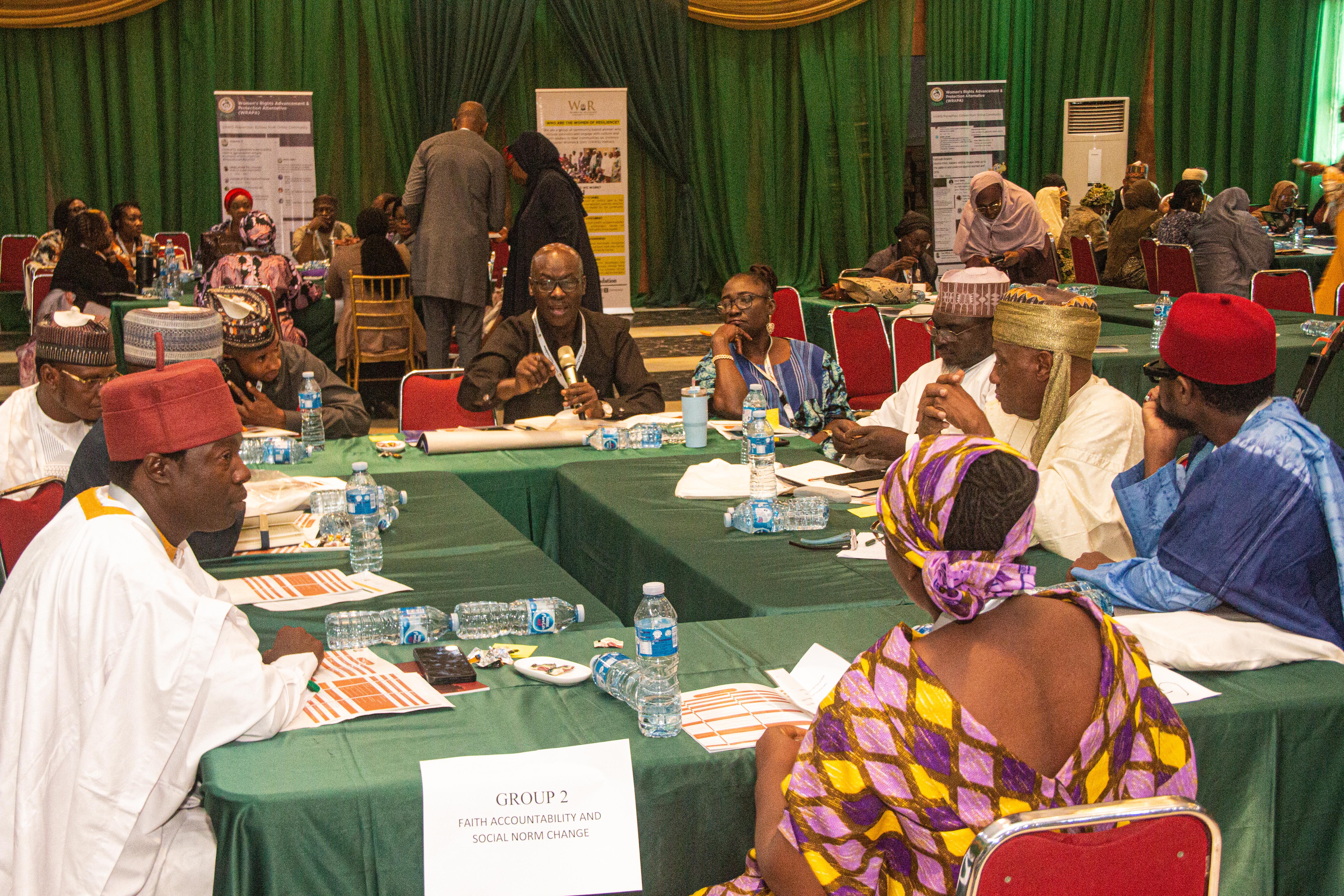
In a renewed effort to strengthen prevention and response to violence, the Women’s Rights Advancement and Protection Alternative (WRAPA) convened a two-day Practice Dialogue that brought together government institutions, faith and traditional leaders, civil society organizations, researchers, and survivors to address Violence Against Women and Girls (VAWG) in Nigeria.
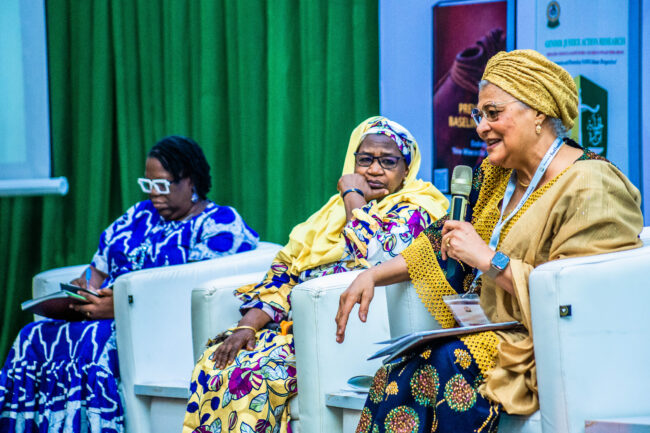
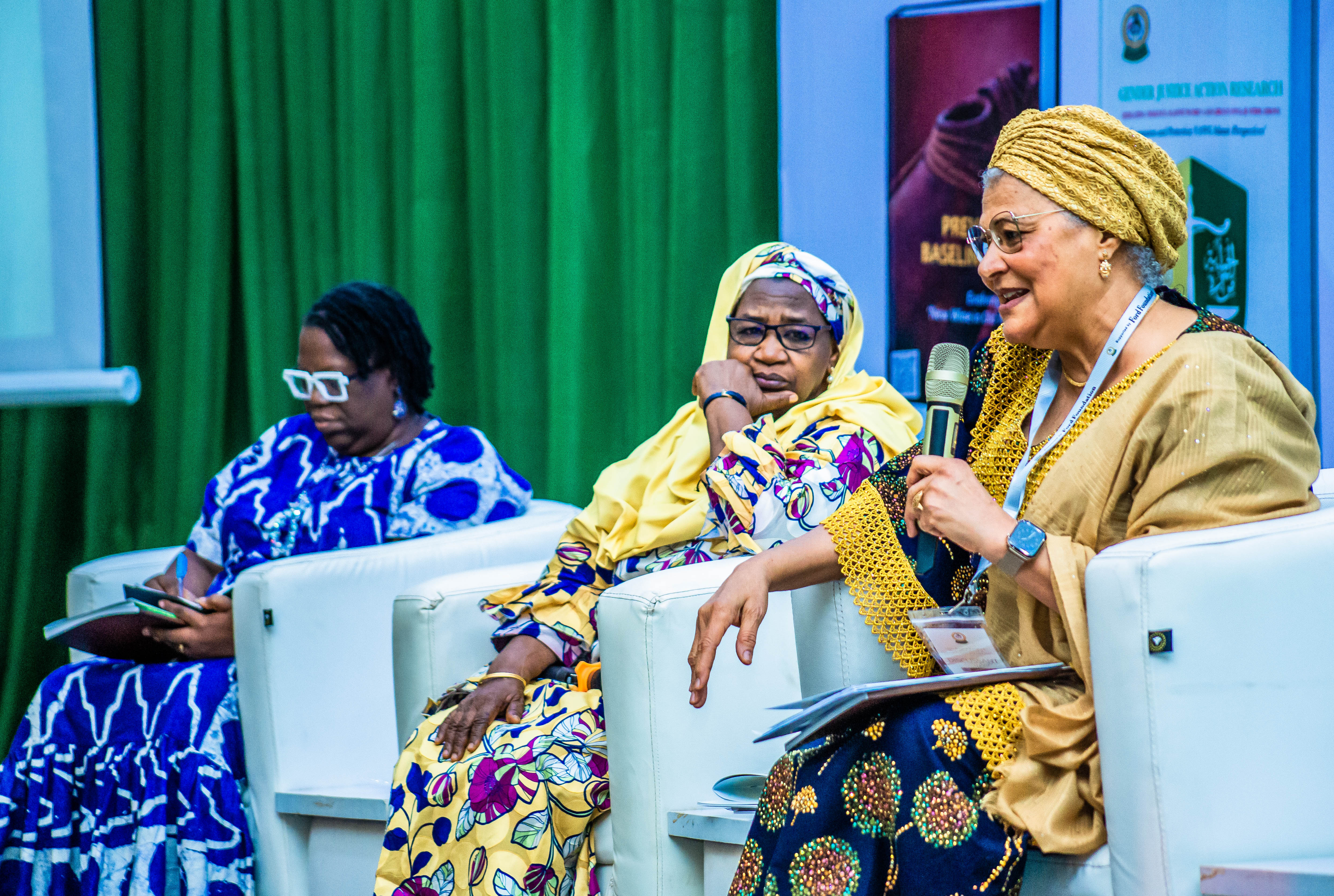
The gathering served as more than a meeting space, it created a platform for honest conversations, shared learning, and collective commitment. By bringing diverse stakeholders into one room, the dialogue focused on translating research evidence into practical, community-driven solutions and stronger protection systems for women and girls.
 Turning Research into Action
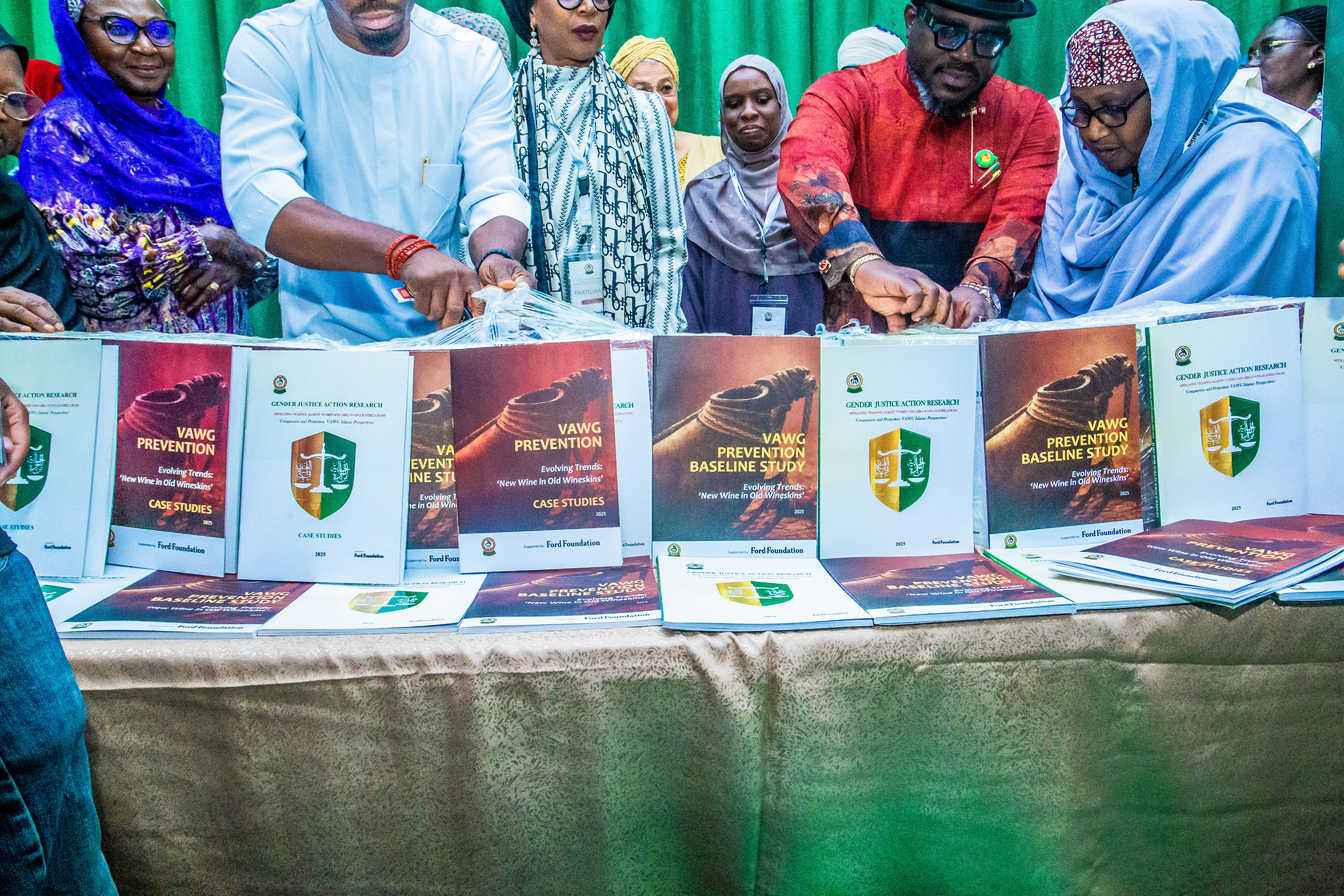
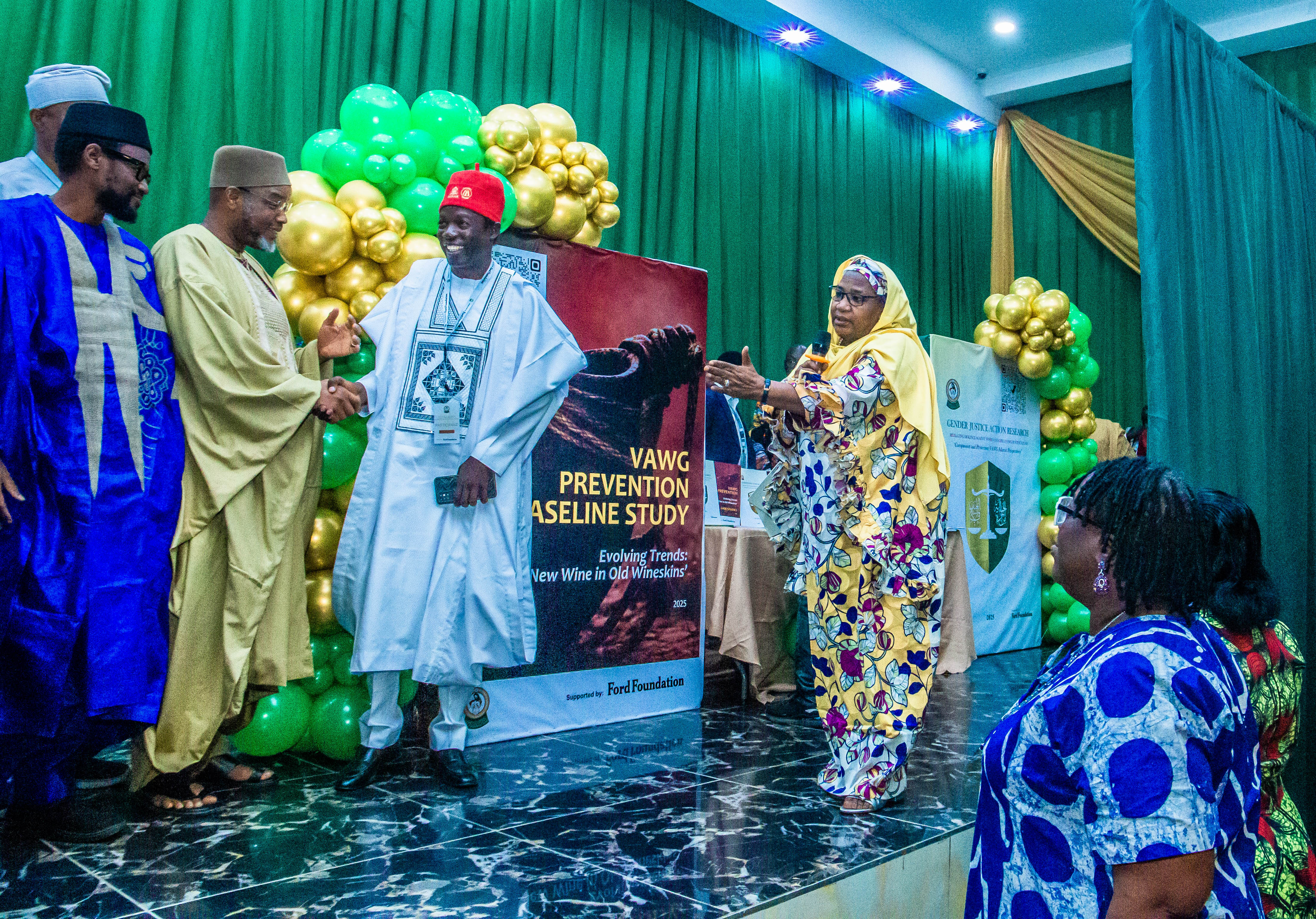
A major highlight of the dialogue was the launch of two research publications designed to inform policy and practice:
-
A legal reform analysis that identified gaps in statutory provisions and recommended stronger, gender-responsive protections.
-
A qualitative baseline study that documented the prevalence, patterns, and root causes of violence across northern states.
Presentations revealed that many survivors experienced abuse in both private and public spaces, often by persons known to them. Cultural stigma, slow justice processes, and limited support services were identified as major barriers to reporting and accessing justice. Participants agreed that these realities required coordinated, actionable solutions rather than policy statements alone.
A Whole-of-Community Approach
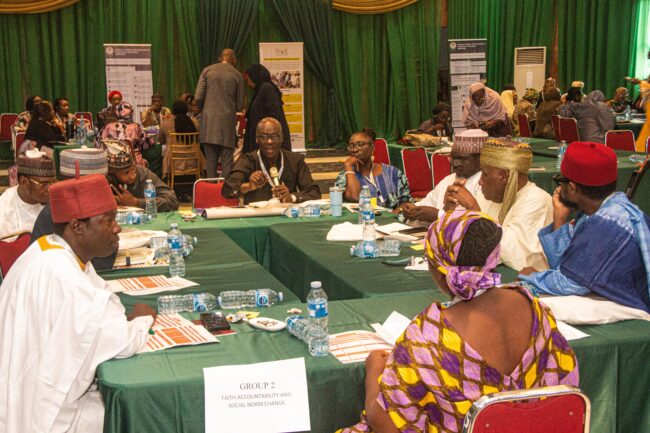
Discussions emphasized that preventing violence had to start at the grassroots. Faith leaders, traditional rulers, women’s groups, and youth were recognized as key change agents capable of influencing norms and behaviours within families and communities.
Key strategies discussed included:
-
Legal and policy reforms to strengthen protection and accountability
-
Alternative Dispute Resolution (ADR) mechanisms for early intervention
-
Faster court processes for matrimonial and violence-related cases
-
Survivor-centered services, including safe spaces, referrals, and psychosocial support
-
Economic empowerment initiatives to reduce survivors’ vulnerability
-
Engaging men and boys as allies and champions of positive masculinity
Participants also noted that harmful cultural practices, rather than religion, often sustained violence, reinforcing the need for education, awareness, and values-based advocacy.
 Shared Commitments and Next Steps
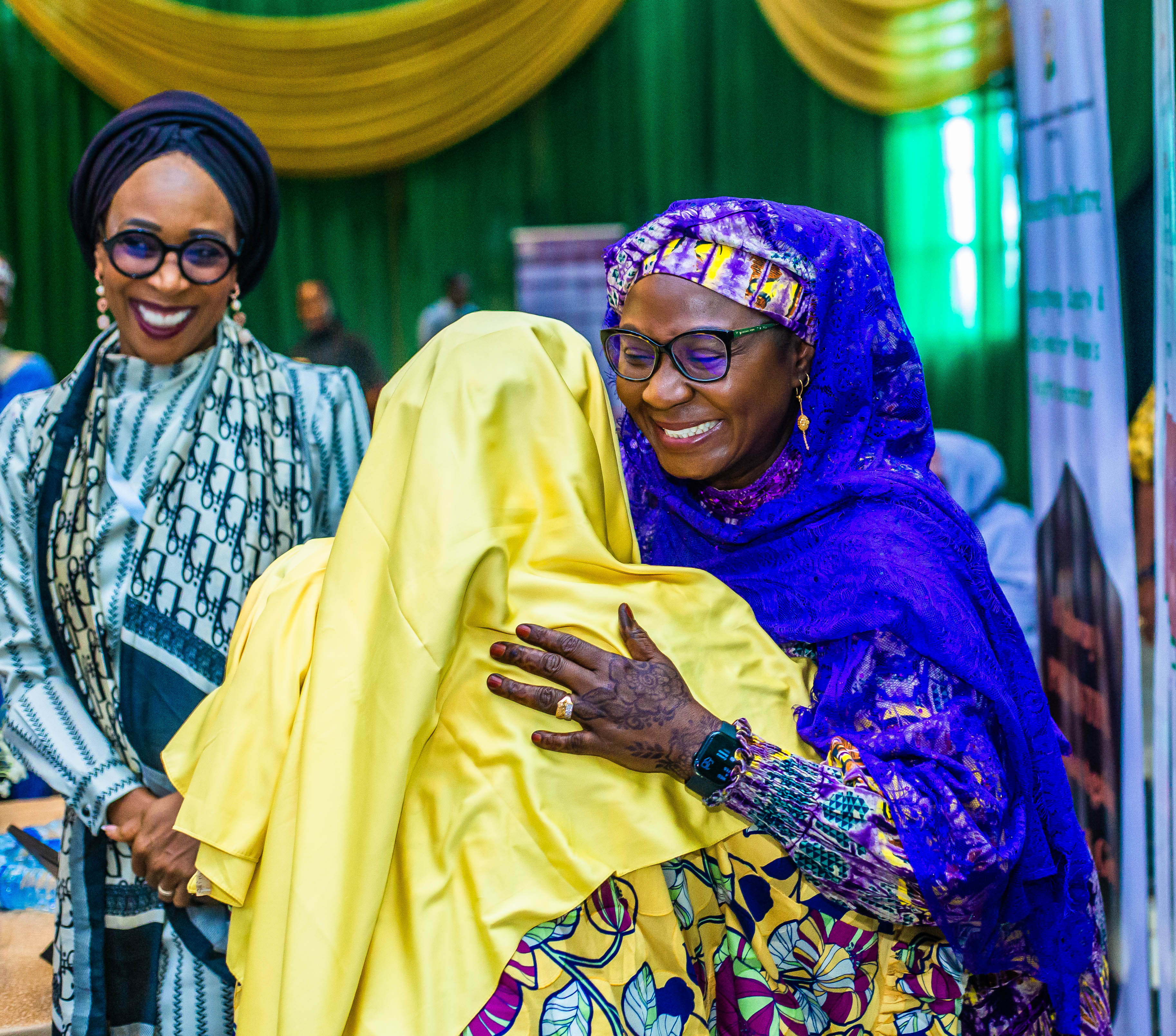
The dialogue concluded with clear commitments from stakeholders. Institutions pledged to implement at least one realistic policy or practice change within six months to advance prevention efforts. WRAPA committed to sharing research and case studies, strengthening grassroots sensitization, supporting survivors, and deepening partnerships with traditional and faith institutions for early intervention.
 Moving Forward Together
The two-day practice dialogue reaffirmed that ending violence against women and girls was possible when communities, leaders, and institutions worked together. By bridging research, policy, and lived experiences, WRAPA and its partners strengthened the foundation for safer, more inclusive communities where every woman and girl could live with dignity and protection.
